The height at which you install your kitchen hood plays a crucial role in determining how effectively your kitchen ventilation system performs. Many homeowners overlook this critical measurement, resulting in poor air quality, lingering cooking odors, and even safety concerns. Getting the hood height right ensures that smoke, grease, and steam are captured efficiently before they spread throughout your home, while also maintaining a comfortable and functional cooking environment.
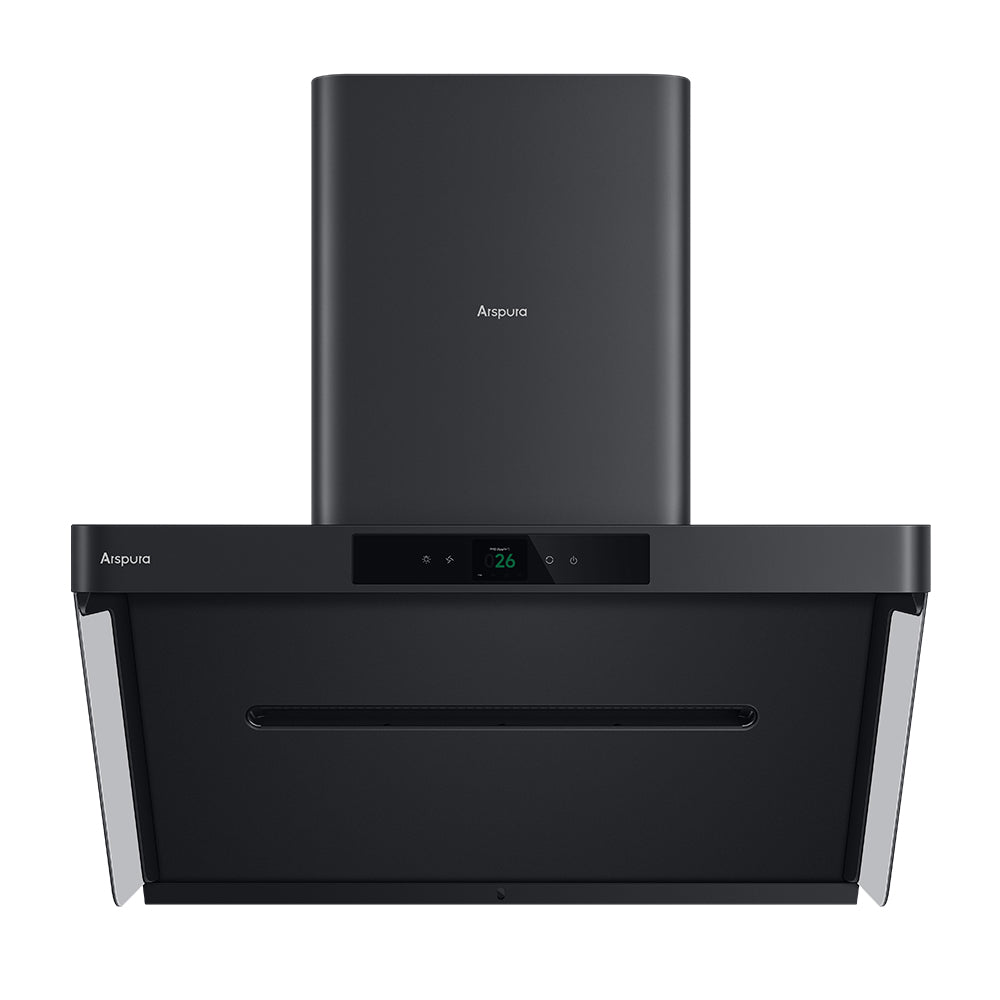
Beyond mere functionality, the optimal hood height balances ventilation performance with practical kitchen design considerations. Install it too low, and you risk bumping your head while cooking or limiting your workspace. Mount it too high, and the hood loses its ability to capture contaminants effectively, forcing your ventilation system to work harder while achieving less. Understanding the principles behind proper hood placement, along with the specific factors that influence your ideal installation height, empowers you to create a kitchen that’s both beautiful and genuinely functional for your daily cooking needs.
Understanding Range Hoods and Extractors
Range hoods and extractors serve the same fundamental purpose of removing airborne contaminants from your kitchen, but they differ in design approach and installation methods. Range hoods typically refer to visible units mounted above your cooktop, featuring an integrated fan system and often a prominent canopy that extends over the cooking surface. These units come in various styles from wall-mounted chimney hoods to island hoods suspended from the ceiling, making them both functional appliances and design statements in your kitchen.
Extractors, on the other hand, often describe more discreet ventilation solutions that may be built into cabinetry, installed as downdraft systems that rise from behind the cooktop, or integrated into overhead units with minimal visual presence. While the terms are sometimes used interchangeably, extractors generally emphasize concealment and space-saving design. Both systems operate through either ducted ventilation, which expels air outside through ductwork, or recirculating ventilation, which filters air through charcoal filters before returning it to the kitchen. The choice between a traditional range hood and a more integrated extractor depends on your kitchen layout, aesthetic preferences, and ventilation requirements. Regardless of which type you select, proper installation height remains the critical factor that determines whether your ventilation system captures cooking byproducts effectively or allows them to escape into your living spaces.
Key Features of Range Hoods
Fan power, measured in cubic feet per minute (CFM), determines how quickly your range hood can move air through the system. A hood with insufficient CFM for your cooking habits will struggle to capture steam and grease, while excessive power wastes energy and creates unnecessary noise. Professional kitchens typically require 1200-1500 CFM, but most residential cooking needs are met with 300-600 CFM, depending on your cooktop size and cooking intensity.
Duct type significantly impacts ventilation effectiveness. Ducted systems that vent directly outdoors remove moisture, heat, and odors completely from your home, making them the superior choice for serious cooks. Ductless systems with recirculating filters offer easier installation and work in situations where external venting isn’t feasible, though they require regular filter replacement and don’t remove heat or moisture. Control options range from basic push-button interfaces to touch controls and remote operation, with variable speed settings allowing you to match ventilation power to cooking intensity. Higher-end models include automatic sensors that detect heat or smoke and adjust fan speed accordingly, along with integrated lighting systems that illuminate your cooking surface effectively.
Key Features of Extractors
Silent operation distinguishes quality extractors from budget alternatives. Advanced models incorporate sound-dampening technology, insulated motor housings, and aerodynamic fan blade designs that minimize operational noise while maintaining strong airflow. Units operating below 50 decibels at normal speed provide effective ventilation without overwhelming conversation or creating an unpleasant cooking environment, particularly important in open-plan living spaces where kitchen noise carries throughout the home.
Installation options for extractors offer flexibility that traditional hoods sometimes cannot match. Telescopic extractors slide out from cabinetry when needed and retract when not in use, preserving clean sight lines in contemporary kitchens. Downdraft extractors emerge from the countertop behind your cooktop, ideal for island installations where overhead mounting poses challenges. Ceiling-integrated extractors disappear entirely into the architecture, with only subtle venting grilles visible. These discrete options particularly suit minimalist kitchen designs where prominent ventilation equipment would disrupt the aesthetic, though they often require more complex installation and may demand higher CFM ratings to compensate for their less direct positioning relative to cooking surfaces.
Optimizing Kitchen Ventilation
Selecting the right kitchen hood height begins with understanding the standard installation ranges for different cooktop types. For electric and induction cooktops, position your hood between 24 and 30 inches above the cooking surface. These cooktops generate less intense heat, allowing for lower installation without compromising capture efficiency. Gas cooktops require greater clearance due to open flames and higher heat output, with optimal placement between 28 and 36 inches above the burners. Island hoods need additional height consideration since they lack wall support for airflow containment, typically requiring installation 30 to 42 inches above the cooktop to maintain effective capture zones.
Your cooking frequency and intensity directly impact the ideal height within these ranges. If you cook daily with high heat methods like searing or wok cooking, install your hood at the lower end of the recommended range to maximize capture efficiency when thermal plumes rise most forcefully. Occasional cooks who primarily use medium heat can position hoods toward the upper range limits without sacrificing performance. The width of your hood relative to your cooktop also influences optimal height—hoods that extend 3 to 6 inches beyond the cooktop edges on each side create better capture zones and can function effectively at slightly higher mounting positions.
Physical workspace considerations require balancing ventilation performance with practical cooking comfort. Measure from your cooktop to your natural standing eye level, ensuring at least 6 inches of clearance between your head and the hood’s bottom edge when standing upright at the stove. Taller household members need hoods positioned higher within the recommended range, potentially requiring increased CFM ratings to compensate for reduced capture efficiency. Test your proposed height by temporarily positioning a cardboard template at the planned installation point, then simulate typical cooking movements including stirring tall pots and checking food to verify you won’t repeatedly bump into the unit during normal kitchen activities.
Kitchen Layout Considerations
Wall-mounted hoods benefit from the vertical surface behind them, which helps direct rising cooking vapors into the capture zone and allows installation at lower heights without sacrificing efficiency. The wall acts as a natural barrier that prevents contaminants from escaping backward, concentrating airflow toward the hood intake. Island installations lack this advantage, requiring hoods mounted higher and often with greater CFM capacity to compensate for the 360-degree escape routes available to cooking byproducts.
Ceiling height influences both aesthetic proportions and functional performance. In kitchens with 8-foot ceilings, standard hood heights work well and create balanced visual relationships. Kitchens with 9 to 10-foot ceilings may tempt you to mount hoods higher to maintain visual proportions, but resist this urge—maintain manufacturer-recommended distances from the cooktop regardless of ceiling height, using decorative chimney extensions to fill the vertical space rather than compromising ventilation effectiveness for appearance.
Cooking Habits and Hood Height
High-heat cooking techniques generate powerful thermal columns that rise rapidly from the cooktop, carrying grease particles and combustion byproducts upward with considerable force. If you regularly sear steaks, stir-fry at maximum heat, or use woks, position your hood at the minimum recommended height for your cooktop type. This lower placement intercepts the thermal plume while it remains concentrated and before turbulent air currents disperse contaminants beyond the capture zone.
Frequent deep frying or cooking with oils that reach smoke point demands both lower hood placement and higher CFM ratings. Oil particles become airborne more readily than water vapor and require immediate capture before they settle on surrounding surfaces. Lower your hood installation by 2 to 4 inches within the safe range when these cooking methods dominate your kitchen routine. Conversely, if your cooking centers on gentle simmering, baking, and occasional stovetop use, you can prioritize headroom and workspace comfort by installing toward the upper end of recommended heights without significantly compromising air quality.
Energy Efficiency and Ventilation
Proper hood height directly impacts energy consumption by determining how hard your ventilation system must work to maintain air quality. Hoods installed too high require longer fan operation at higher speeds to compensate for reduced capture efficiency, consuming more electricity while potentially failing to remove all contaminants. Optimal height placement allows your hood to operate at lower speeds for shorter durations, reducing energy use while achieving superior results.
Ducted systems at correct heights minimize the conditioned air expelled from your home, reducing heating and cooling costs. When your hood captures cooking byproducts efficiently on the first pass, you avoid the energy waste of extended operation that pulls already-heated or cooled air from your living spaces. Install your hood at manufacturer-specified heights and size your CFM appropriately to avoid the common mistake of compensating for poor placement with excessive fan power, which creates negative pressure in your home and forces your HVAC system to work harder replacing expelled air. Home supply retailers like Arspura offer measuring tools and installation guides that help homeowners achieve proper hood placement from the start, eliminating costly adjustments later.
Achieving Proper Hood Installation for Maximum Performance
Achieving optimal kitchen ventilation hinges on installing your range hood or extractor at the correct height above your cooktop. The recommended ranges—24 to 30 inches for electric cooktops and 28 to 36 inches for gas ranges—provide starting points that you must adjust based on your specific cooking habits, kitchen layout, and physical comfort needs. Remember that hoods installed too low create workspace obstacles and safety concerns, while those mounted too high fail to capture cooking contaminants effectively, forcing your ventilation system to work harder while delivering inferior results.
Your personal cooking style should guide your final height decision within these recommended ranges. High-heat cooking methods demand lower placement for maximum capture efficiency, while occasional gentle cooking allows positioning toward the upper limits for improved headroom. Island installations require additional height compared to wall-mounted units, and you must account for the tallest household member’s comfort when finalizing placement. By carefully measuring your space, considering your cooking patterns, and following manufacturer specifications, you create a kitchen ventilation system that removes smoke and grease efficiently while maintaining a comfortable, functional cooking environment that serves your household well for years to come.